In early 20th-century New York, Marcel Duchamp audaciously challenged the art world when he championed the notion that a mere porcelain urinal could transcend its functional identity to be revered as art. This simple yet profoundly subversive act wasn’t just about redefining art but about rethinking human creativity altogether. The curiosity and ultimate defiance of Duchamp inspired many artists to explore uncharted territory and take advantage of unimaginable opportunities — creating a revolution in art.
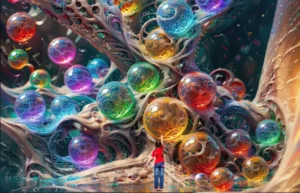
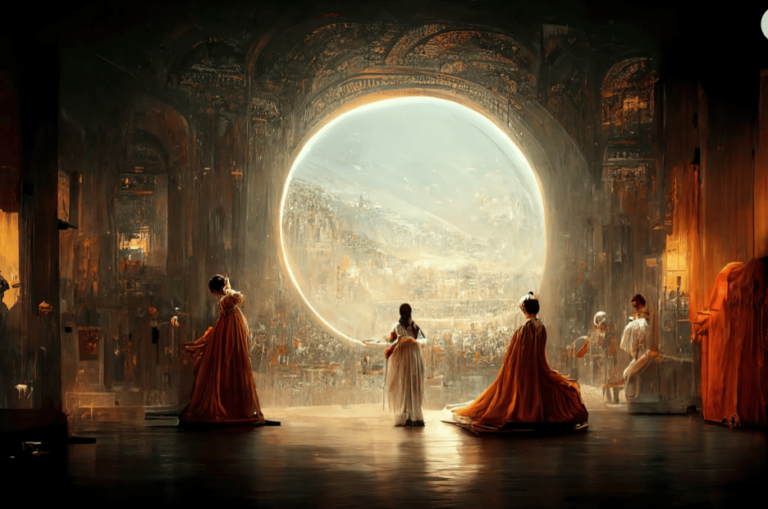
We find ourselves a century later facing a similar shake-up – but this time, it’s not a single artist igniting discourse; it’s artificial intelligence (AI). This time, the new avant-garde is not a provocative object or concept, it’s a force making its mark on creative fields. With so many artists now wielding this new medium to push limits on what can be done, we’re left to ask big questions: Is AI the end of human creativity, or the beginning of a new way to express art? Should we be embracing creations made by both human intuition and machine logic? Does AI’s influence on art diminish the artist, stripping the artwork of emotion and experience?