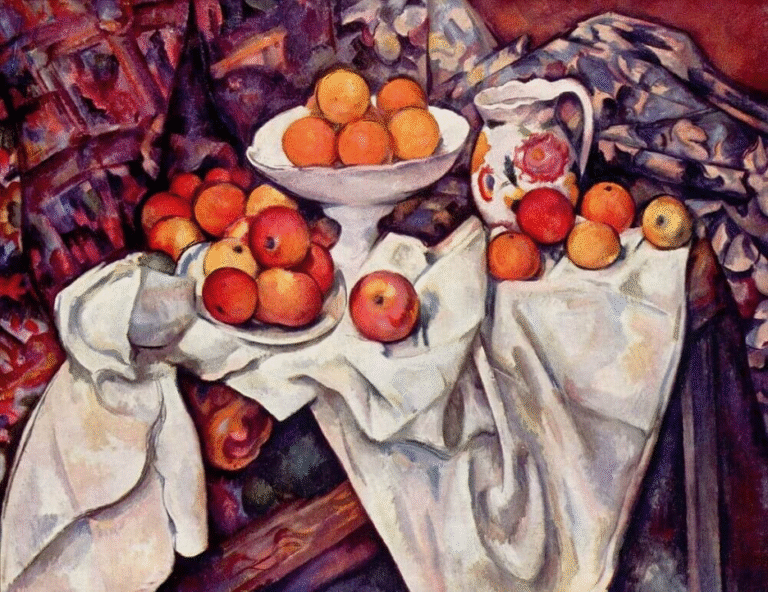
Paul Cézanne (1839–1906) is not just a painter of apples and mountains — he is the hinge between centuries of tradition and the birth of modern art. Often called the “father of modern painting,” Cézanne’s radical experiments with color, form, and perspective gave artists like Picasso, Matisse, and Braque the courage to push painting into new, uncharted territories. His works reveal how perception itself — layered, shifting, and imperfect — can be translated into paint.
Today, Cézanne is not only revered in art history books but also celebrated in his homeland. In 2025, thousands of visitors from Europe, the United States, and beyond are flocking to Aix-en-Provence for Cézanne 2025, a region-wide festival that honors the artist’s life and legacy. The centerpiece is the Musée Granet, Cézanne’s former art school, which is hosting the largest exhibition of his works ever assembled — over 130 paintings, watercolors, and drawings on loan from institutions worldwide. Visitors can also step into Cézanne’s recently renovated estate and studio, where his easel, brushes, and unfinished canvases still evoke the intimate space where modern art was born.